

✨ Introduction: Grip Science Behind Dotted Cotton Gloves
For industries where precision and safety depend on a secure hold, dotted cotton gloves are the unsung heroes of daily operations. From warehouses to assembly lines, their dotted design ensures reliable control while handling boxes, machinery, or packaging materials.
However, not all dots are created equal — the dot density, or how closely the dots are placed, plays a major role in determining grip performance, flexibility, and comfort. Working with experienced Cotton Glove Manufacturers helps ensure your gloves are optimized for the right application balance between comfort and control.
🧤 What Is Dot Density?
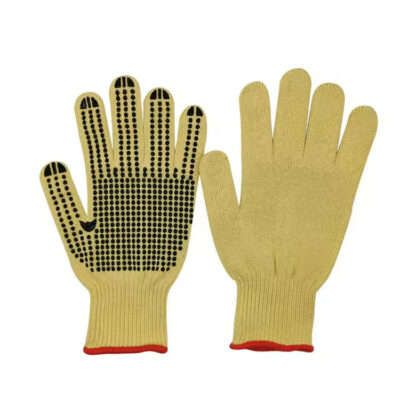
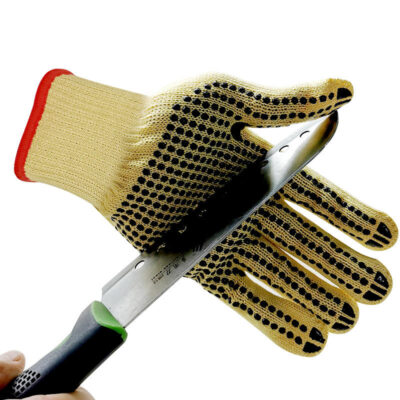
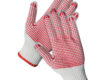
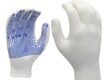
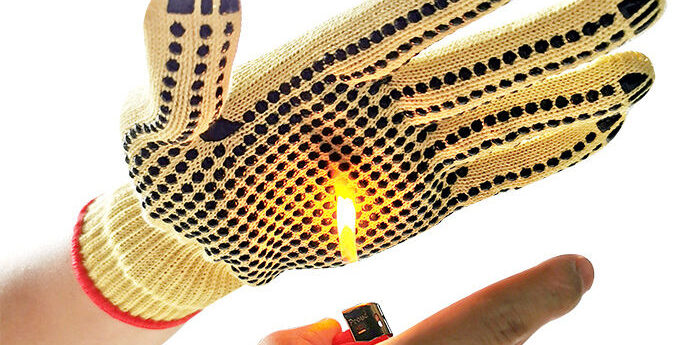
Dot density refers to the number of PVC or rubber dots printed per square inch on the glove’s palm or fingers.
-
🔹 High-density dotting: More dots per area, creating a rougher, textured surface.
-
🔸 Low-density dotting: Fewer dots, leaving more exposed cotton fabric for breathability.
The density level affects the glove’s grip strength, flexibility, and abrasion resistance, influencing how suitable it is for specific industrial applications.
⚙️ How Dot Density Impacts Grip and Control
Choosing the right dot pattern ensures optimal performance for each type of task.
1️⃣ High-Density Dots – Maximum Grip
-
🧱 Excellent for heavy-duty handling, metalwork, and large cartons.
-
💪 Provides stronger friction, ideal for tasks requiring firm control.
-
⚠️ Slightly reduces breathability due to full coverage.
These gloves are preferred in logistics, manufacturing, and construction where a stronger, non-slip hold is critical.
2️⃣ Medium-Density Dots – Balanced Performance
-
⚙️ The most versatile design, offering both grip and comfort.
-
🌿 Allows flexibility for warehouse and packaging tasks.
-
📦 Ideal for general-purpose industrial work.
Medium-density dotted gloves are often used for multi-department operations and by distributors who need a “one-size-fits-all” solution.
3️⃣ Low-Density Dots – Lightweight Flexibility
-
💨 Enhanced air circulation and flexibility.
-
🖐️ Suitable for delicate handling like labeling, sorting, or assembly.
-
🔧 May have lower grip strength on heavy or oily materials.
These gloves are great for long shifts where breathability and dexterity matter more than traction power.
🏭 Industrial Applications Based on Dot Density
Depending on the required performance, dot density aligns with specific industries:
-
🚚 Warehouse & packaging: Medium-density dots for balanced grip.
-
🧱 Construction & metal handling: High-density dots for rough surfaces.
-
🪞 Electronics & assembly: Low-density dots for delicate precision work.
-
📦 Logistics operations: Medium-density gloves for versatility.
Selecting the correct dot density reduces worker fatigue, enhances safety, and improves overall handling efficiency.
💡 Material & Design Considerations
The performance of dotted gloves depends on more than just density—it’s also about material and layout.
-
PVC dots: Most common, offering consistent grip and affordability.
-
Rubber dots: Softer feel and better traction on smooth materials.
-
Pattern options: Full-palm coverage or finger-only for task-specific use.
-
Base fabric: 100% cotton for comfort and sweat absorption.
Buyers working with specialized Work Cotton Gloves Manufacturers can customize dot coverage, color, and pattern to fit different job requirements.
📈 Advantages of Optimized Dot Density
Selecting the right density has multiple operational benefits:
-
✅ Improved worker control: Prevents drops and product damage.
-
💪 Reduced fatigue: Less pressure needed to maintain grip.
-
💨 Better comfort: Balanced dot spacing maintains breathability.
-
🧴 Lower glove turnover: Enhanced durability lowers replacement rates.
-
🌿 Eco-friendly: Reusable cotton base supports sustainability goals.
These small design improvements contribute significantly to workplace safety and productivity.
🧩 Practical Buying Tips for B2B Procurement
When sourcing dotted cotton gloves for industrial use:
-
Identify task type: Heavy vs. light handling determines density level.
-
Test samples: Evaluate grip under realistic work conditions.
-
Choose washable options: Reusable gloves lower total cost.
-
Confirm MOQ flexibility: Large-volume buyers benefit from custom packaging and private labeling.
This data-driven approach ensures gloves match both performance expectations and operational budgets.
🔚 Conclusion: Find the Right Grip for the Job
In warehouse and manufacturing operations, the dot density of cotton gloves directly impacts worker performance, safety, and comfort. Whether you need high-friction models for heavy work or breathable designs for light assembly, choosing the right density makes all the difference.
For global buyers, collaborating with a trusted cotton glove manufacturer ensures every glove delivers consistent grip, ergonomic comfort, and long-term value—helping your workforce perform better, safer, and smarter.